

Alexia Heath: She Goes By Founder Now
Alexia Heath started Young & Stamped in November 2023 with a simple premise: she wanted to travel with people. Not a formal business plan, not a five-year projection. Just a girl who grew up taking international trips with her Navy family, who wanted to extend that feeling to people who didn't have anyone to go with. We first sat down with her in May 2024, when the company was six months old and she was still figuring out hotel logistics for her first international trip. She was learning in real time, building with both hands.
A lot has changed since then.
She's done over ten sold-out ski trips across North Carolina. She’s taken a group to the French Alps. She brought people to Colombia. She just got back from two weeks in Bali at a founders’ retreat and she's quietly in the process of launching a second travel company, Avari Travel, a fully custom planning agency for retreats and private trips. Young & Stamped was the beginning. Now there are multiple lanes.
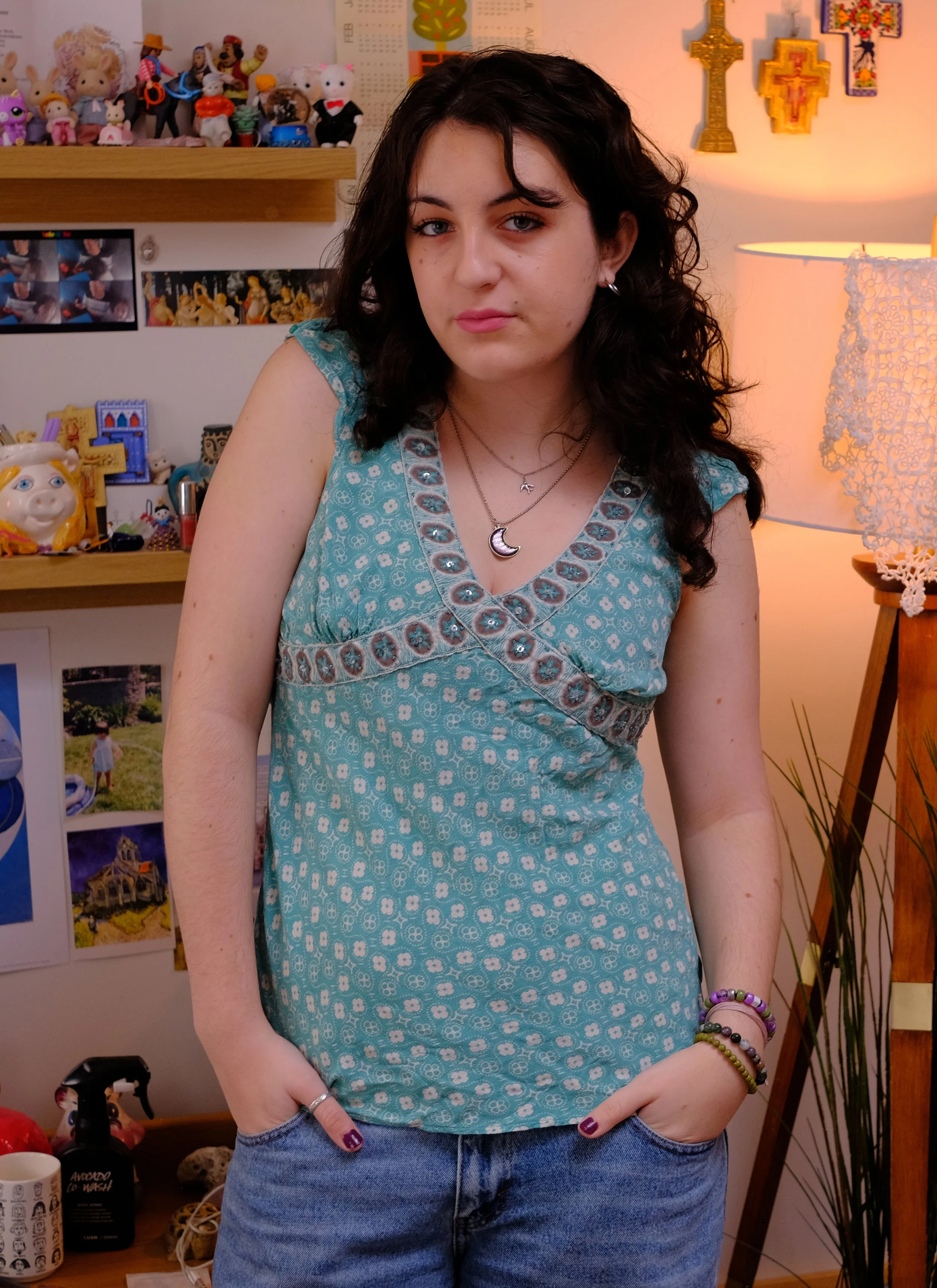
Madeline on Writing, Art, and Lineage
Madeline grew up in a house of art. Her mom is an art teacher, and creativity was always encouraged, always visible. “I’ve been painting since I was three years old,” she says. She remembers seeing baby photos of herself standing at an easel, hands covered in blue paint. Art was there for moments of joy and for moments of sadness too. Drawing became a way to process whatever was happening around her. It was instinctual, almost automatic.
Writing came later, and at first, she was resistant to it. Poetry felt restrictive. Meter and rhyme were not her thing. “I thought poetry was just kinda boring,” she admits. Shakespeare did nothing for her. That changed in ninth grade, when a poetry class introduced her to emulation and showed her that poetry did not have to live inside rigid rules. Around the same time, she joined an organization called Girls Write Now, which paired her with a mentor and shifted her creative practice from something solitary into something communal. Writing stopped being something she did alone in her room and became something shared, discussed, and eventually performed. “That was the moment where a lot of my artistic practice shifted,” she says.
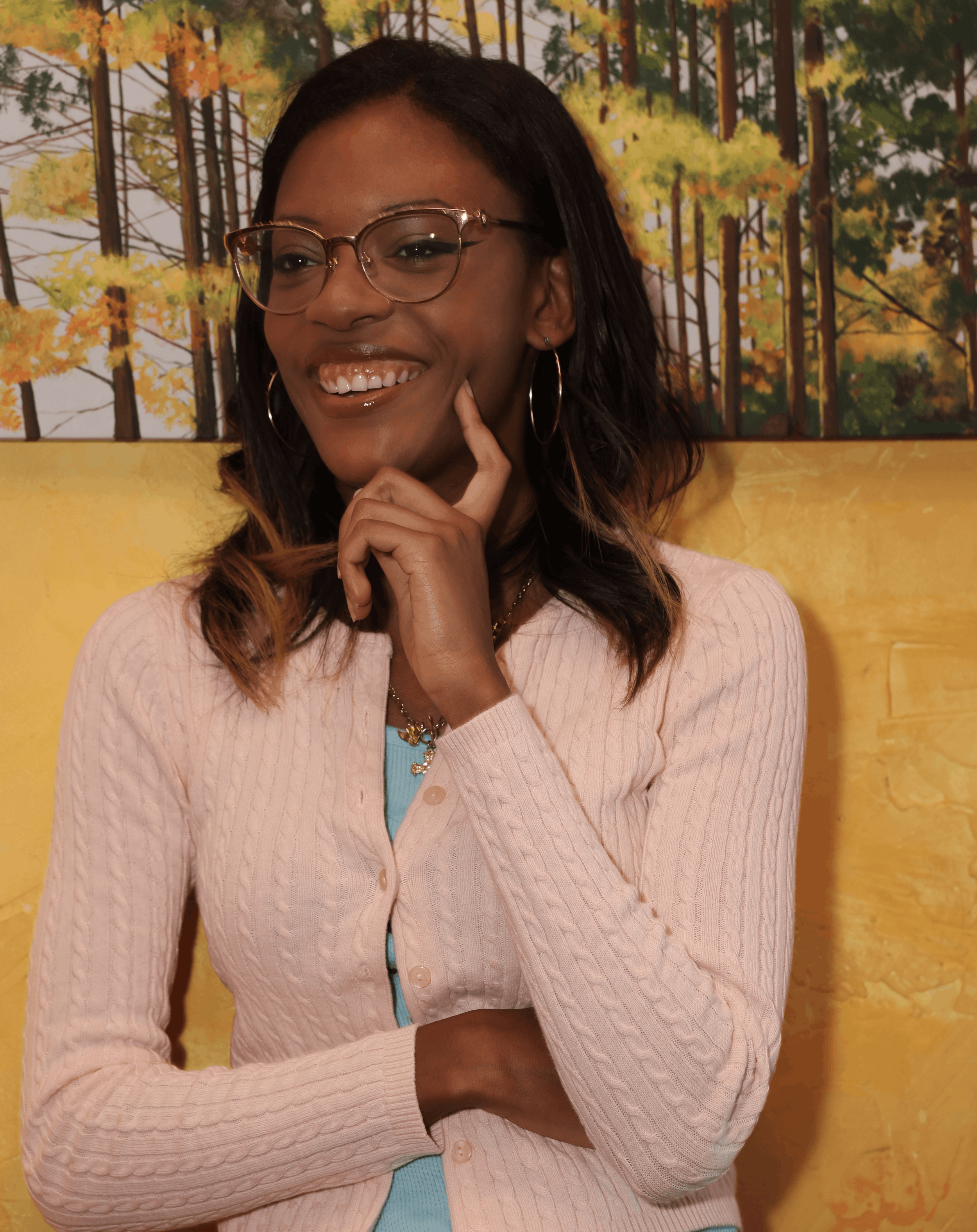
How Logan Carter Thinks in 3D
Logan Carter has been building worlds for a long time. Long before she ever called herself a 3D generalist, she was a middle schooler clicking through simple animation software, experimenting without realizing how deeply it would stick. What started as curiosity turned into repetition. Then repetition turned into instinct. “I made over 100-ish videos from then on all the way to college,” she says. Even back then, the pull wasn’t just about animation itself. It was about the act of creating something from nothing.
Today, Logan describes a 3D generalist as someone who touches every part of the process. Modeling. Texturing. Lighting. Animation. But what she really enjoys is ownership. “What I prefer to do is to just basically take on the entire production of a type of media,” she explains. The production includes the entirety of characters, stories, and environments development. She wants to build the whole thing herself. Even though the work lives on a computer, she’s always thinking about how it could translate beyond the screen, into something tactile or cinematic.
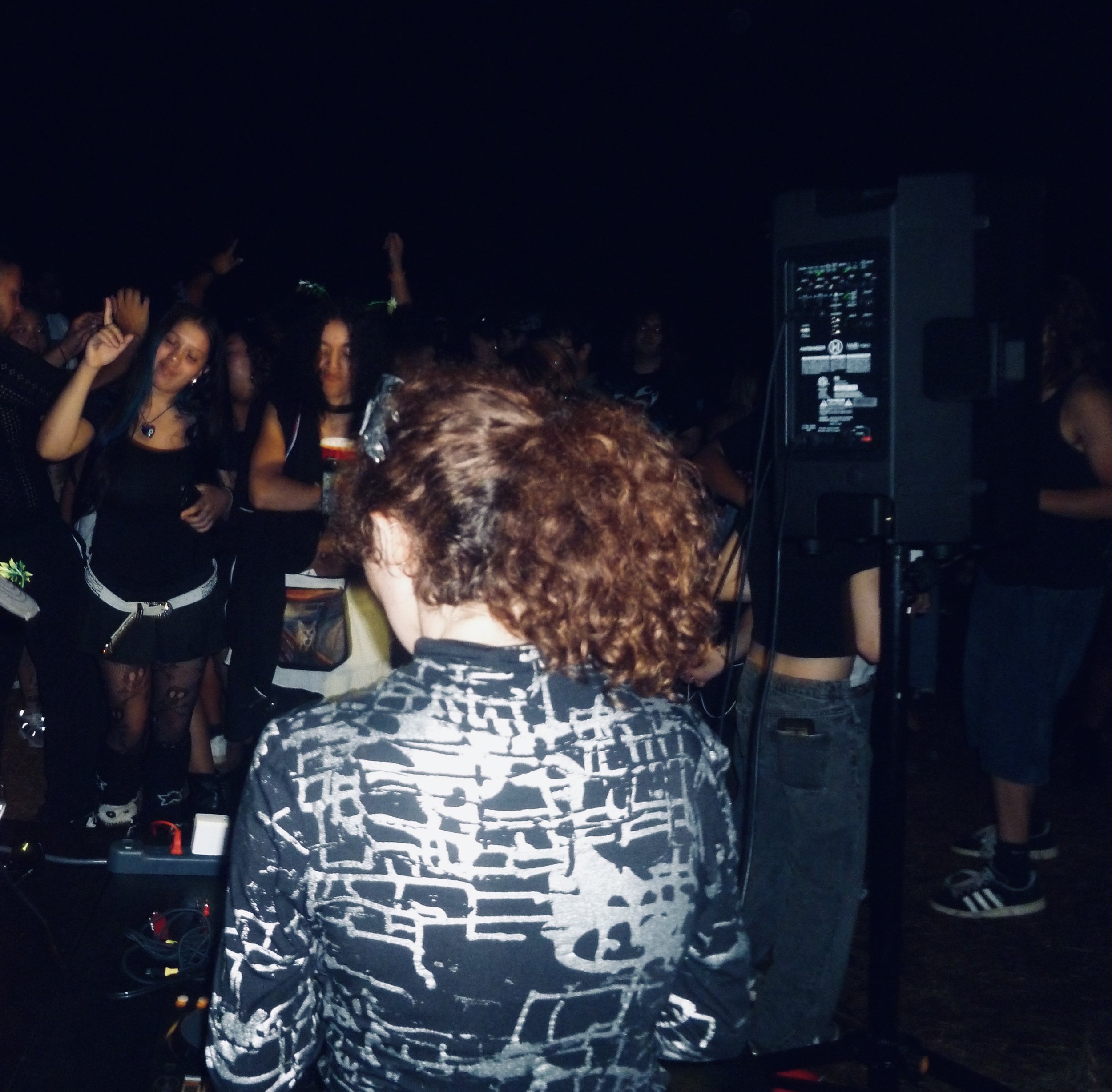
Adderall XR: Learning Out Loud
Adderall XR talks about learning music the way some people talk about learning a new language. Awkward at first. A little chaotic, but slowly more fluent with time. Nothing about it came naturally in the beginning, and that’s kinda the point.
Before electronic music entered the picture, her interest was rooted somewhere else entirely. In rock and guitar. The idea of it made sense until reality kicked in. “Honestly, I have the weakest fingers,” she admits, laughing at herself. No matter how much time she put into guitar, it never clicked. It wasn’t until Junior year of college, when she started listening more closely to electronic music, that something shifted.
When she first started producing, the learning curve was steep. “It was not good,” she said plainly. She didn’t know what mixing or mastering was. She didn’t know how audio levels worked. Early tracks were messy and vocals were buried. Instead of getting discouraged, Adderall XR got curious. YouTube became her classroom and she started asking better questions. How do the songs I love actually sound like this? What happens after the idea?
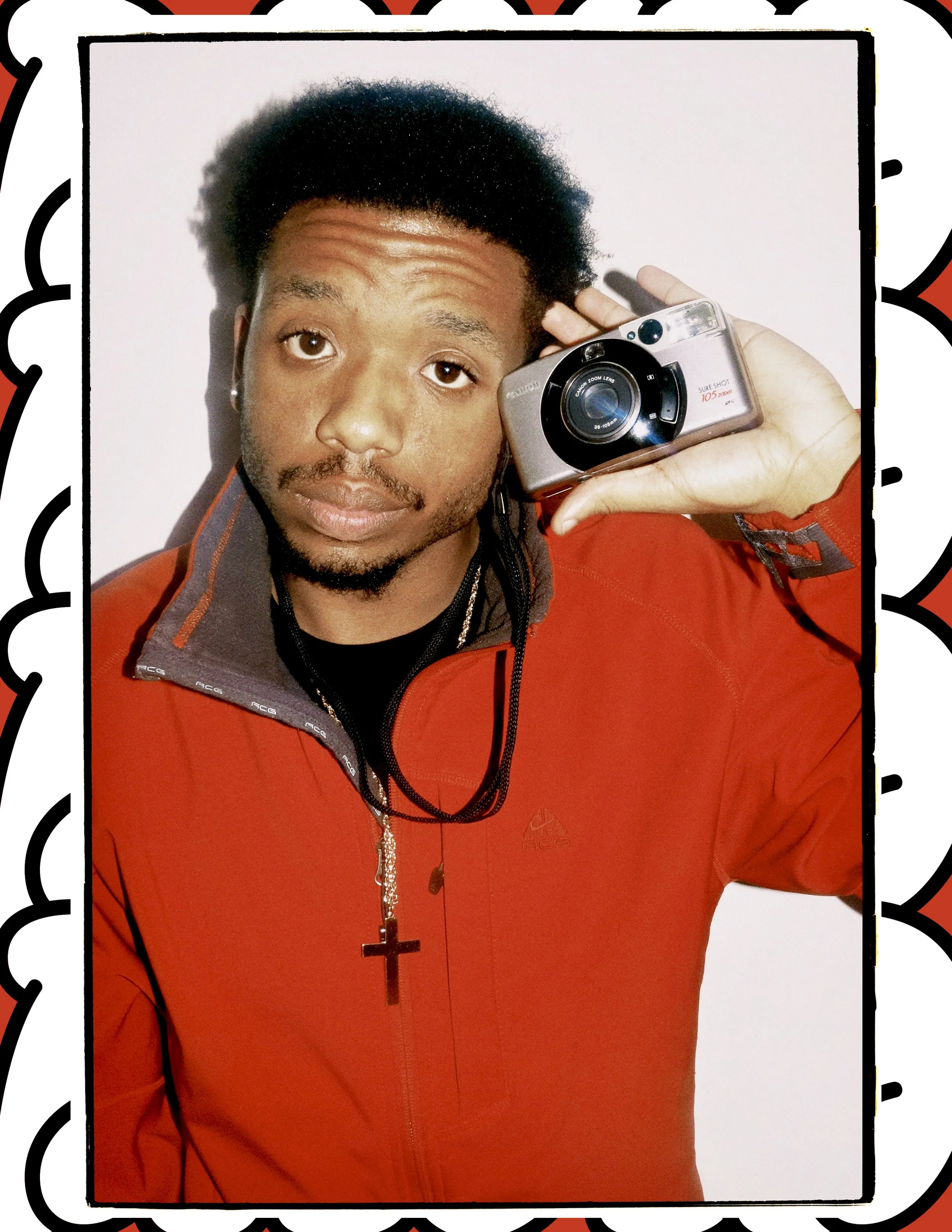
Finding the Shot in the Crowd
David Barmer’s entry into photography didn’t come from years of art classes or a long creative lineage. “In high school, I needed an elective, and I picked a photography class,” he says, almost casually. His art teacher, Ms. Davis, changed everything. She was passionate, generous with gear, and deeply invested in getting students excited about the medium. “I don’t know what she’s doing now, but I really appreciate her.” That single class became the foundation for everything that followed.
Outside of that classroom, photography wasn’t something David had formally explored. No other art classes. No long list of influencers he lists off. Which makes his work feel even more instinctual. When asked how he chooses images after a show, he’s honest. “I kinda wing it.” He studies other photographers, not to replicate their work, but to push against it. He looks for moments that feel different. Simply put, something cool. His concert photos are a display of energy, motion, and the feeling of being there.
That instinct doesn’t mean he isn’t critical of himself. When reviewing his work, David looks closely at composition and focus. Live intense environments like concerts move fast, and he’s aware of the moments that slip past. Sometimes that artist isn’t fully in focus. Sometimes the set design could have been incorporated a bit more. He notices the small details and files them away for the next gig.
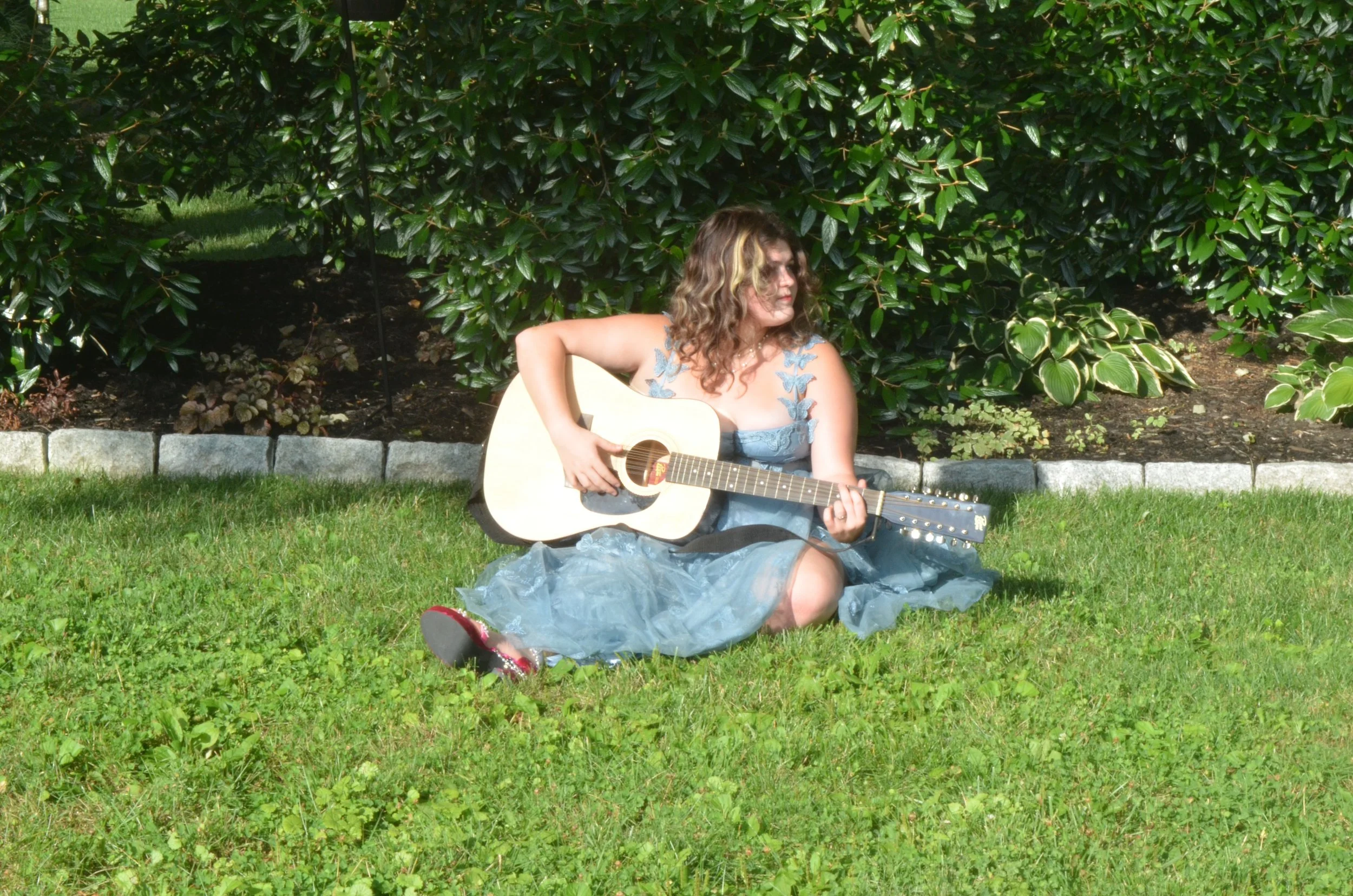
Riley Jane Finds Her Voice on the Page
Riley Jane’s relationship with music started with listening. Long before she was recording songs in GarageBand or releasing an album from her dorm room, she was absorbing lyrics passed down through her dad’s love of 60s folk. Bob Dylan was always in the background, sometimes through covers, sometimes through original recordings, shaping how she understood songwriting as something thoughtful, political, and rooted in storytelling. That influence still shows up in her work today, even as she carves out her own voice. For Riley, writing music is less about chasing perfection and more about paying attention. To language. To the world around her. To the thoughts she needs to get out before they turn into songs.
Riley released her debut album while navigating her first year of college, writing, performing and recording it entirely on her own. The process taught her just how wide the gap can be between songwriting and production. “I’m a lot more on the actual instrument and writing side than I am at all with audio tech,” she admits. The technical side felt like a different world. So she kept it simple. GarageBand tutorials. Basic recording. Learning just enough to make the songs live outside her notebook. The album itself became a collection of favorites pulled from different projects she had been working on. Not everything she writes is meant to be released. Some songs exist only to help her understand herself better.