
Finding the Shot in the Crowd
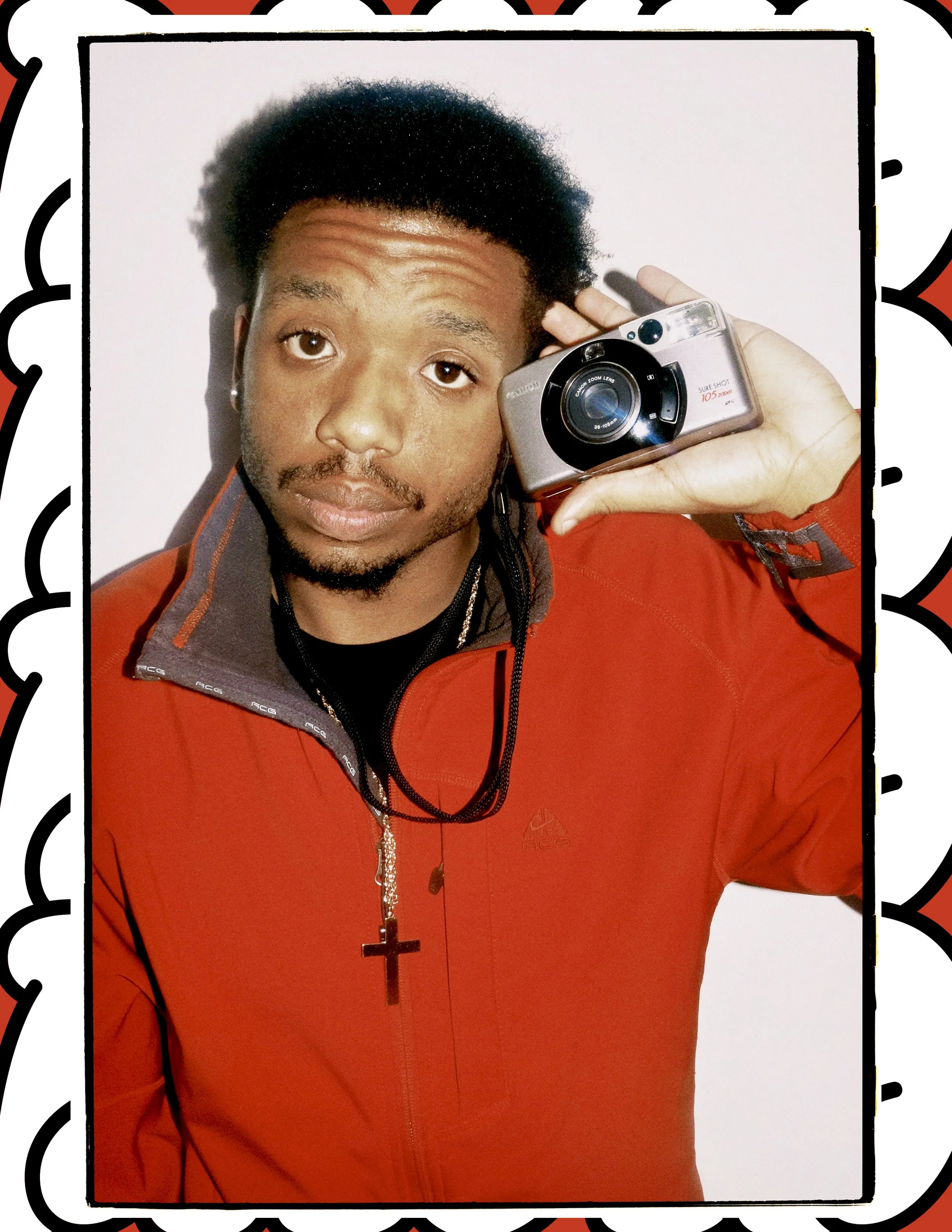
David Barmer’s entry into photography didn’t come from years of art classes or a long creative lineage. “In high school, I needed an elective, and I picked a photography class,” he says, almost casually. His art teacher, Ms. Davis, changed everything. She was passionate, generous with gear, and deeply invested in getting students excited about the medium. “I don’t know what she’s doing now, but I really appreciate her.” That single class became the foundation for everything that followed.
Outside of that classroom, photography wasn’t something David had formally explored. No other art classes. No long list of influencers he lists off. Which makes his work feel even more instinctual. When asked how he chooses images after a show, he’s honest. “I kinda wing it.” He studies other photographers, not to replicate their work, but to push against it. He looks for moments that feel different. Simply put, something cool. His concert photos are a display of energy, motion, and the feeling of being there.
That instinct doesn’t mean he isn’t critical of himself. When reviewing his work, David looks closely at composition and focus. Live intense environments like concerts move fast, and he’s aware of the moments that slip past. Sometimes that artist isn’t fully in focus. Sometimes the set design could have been incorporated a bit more. He notices the small details and files them away for the next gig.
Riley Jane Finds Her Voice on the Page
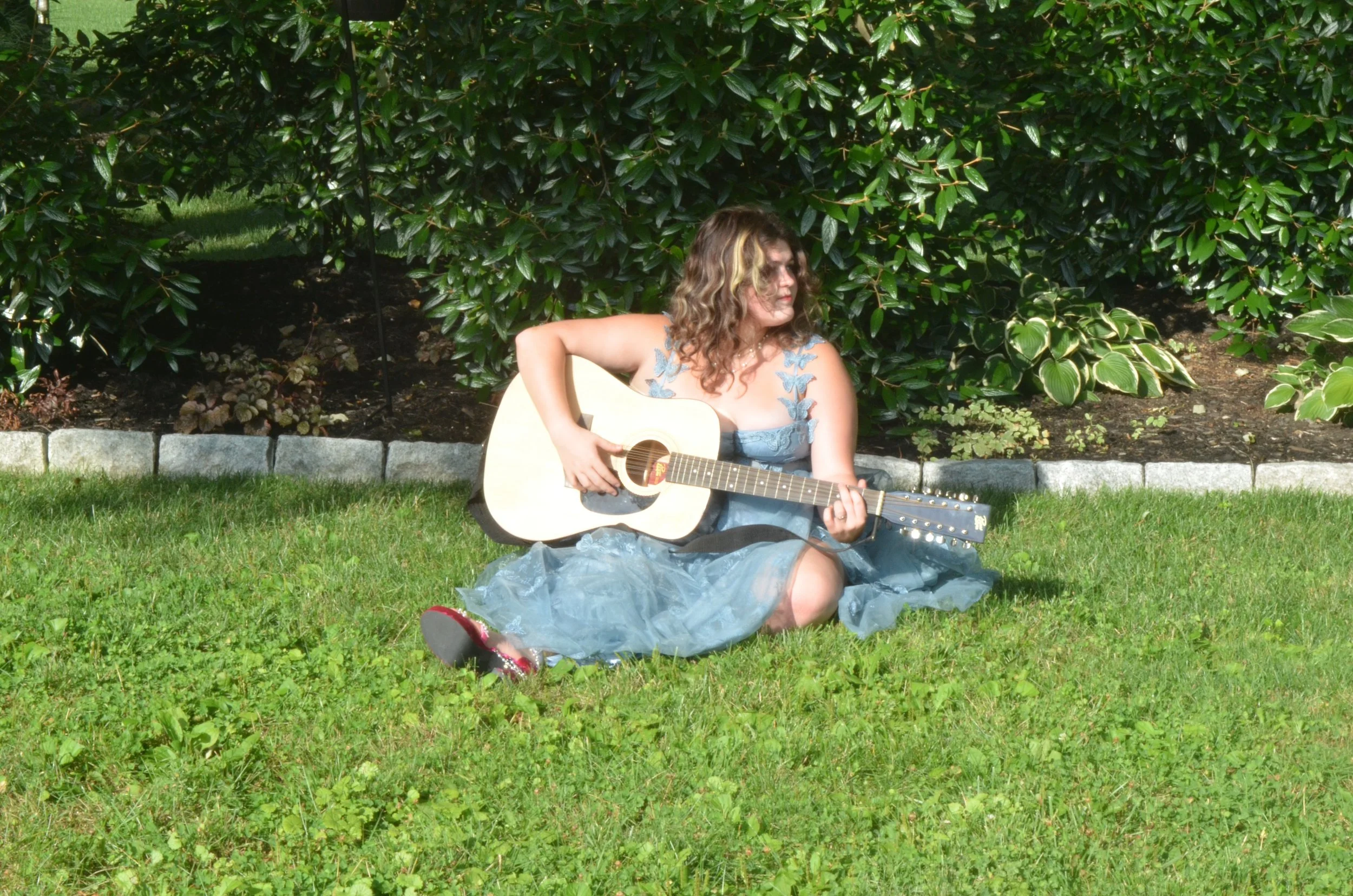
Riley Jane’s relationship with music started with listening. Long before she was recording songs in GarageBand or releasing an album from her dorm room, she was absorbing lyrics passed down through her dad’s love of 60s folk. Bob Dylan was always in the background, sometimes through covers, sometimes through original recordings, shaping how she understood songwriting as something thoughtful, political, and rooted in storytelling. That influence still shows up in her work today, even as she carves out her own voice. For Riley, writing music is less about chasing perfection and more about paying attention. To language. To the world around her. To the thoughts she needs to get out before they turn into songs.
Riley released her debut album while navigating her first year of college, writing, performing and recording it entirely on her own. The process taught her just how wide the gap can be between songwriting and production. “I’m a lot more on the actual instrument and writing side than I am at all with audio tech,” she admits. The technical side felt like a different world. So she kept it simple. GarageBand tutorials. Basic recording. Learning just enough to make the songs live outside her notebook. The album itself became a collection of favorites pulled from different projects she had been working on. Not everything she writes is meant to be released. Some songs exist only to help her understand herself better.
How SAMSMH Builds His Sound
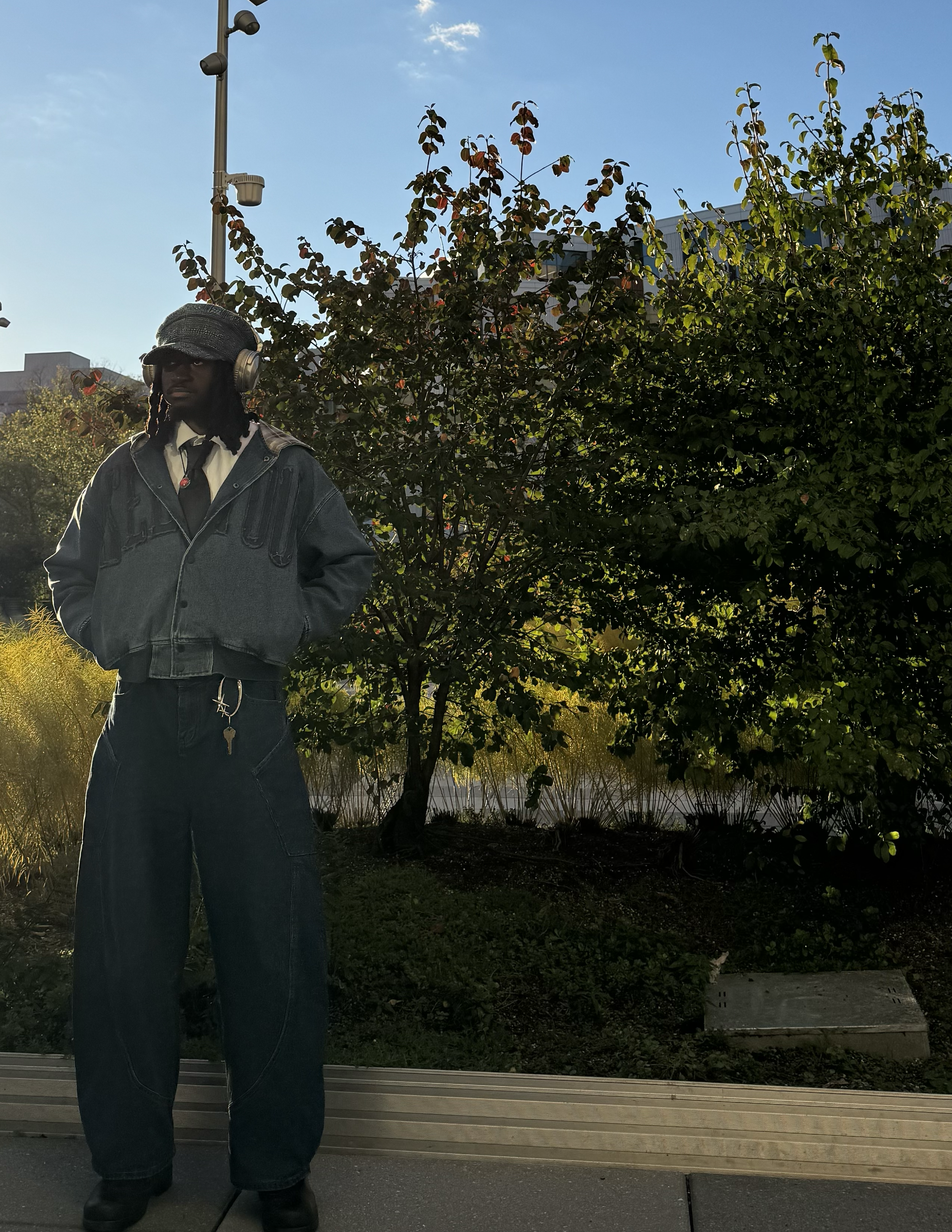
Samuel Smith grew up surrounded by music, rooted in church spaces where sound was communal and expressive. “I could definitely date it back to being born in a musical family,” he says. He sang in choirs and praise teams, absorbing rhythm long before he ever touched a drum pad or keyboard. The real turning point came later, on an iPad in seventh grade. GarageBand opened a door. “From that point on, I knew exactly what I wanted to do.” What started as curiosity quickly turned into discipline. Then eventually GarageBand became Logic Pro. Middle school experiments turned into high school album projects. Community college sharpened the technical side. Now, he studies audio and live entertainment at Temple.
While he did not grow up playing instruments in church, that changed with time. In 2018, he taught himself drums and piano, gravitating toward tools that gave him control over rhythm and structure. That sense of control still defines how he works today. When SAMSMH sits down to build a track, he does not rush the process. “Usually when I'm figuring out my melody or chords, that's one of the things that I spend the most time on,” he explains. He dissects samples carefully, paying close attention to placement and tone. He knows exactly how he wants something to sound before it ever reaches a final mix.
One Draft at a Time
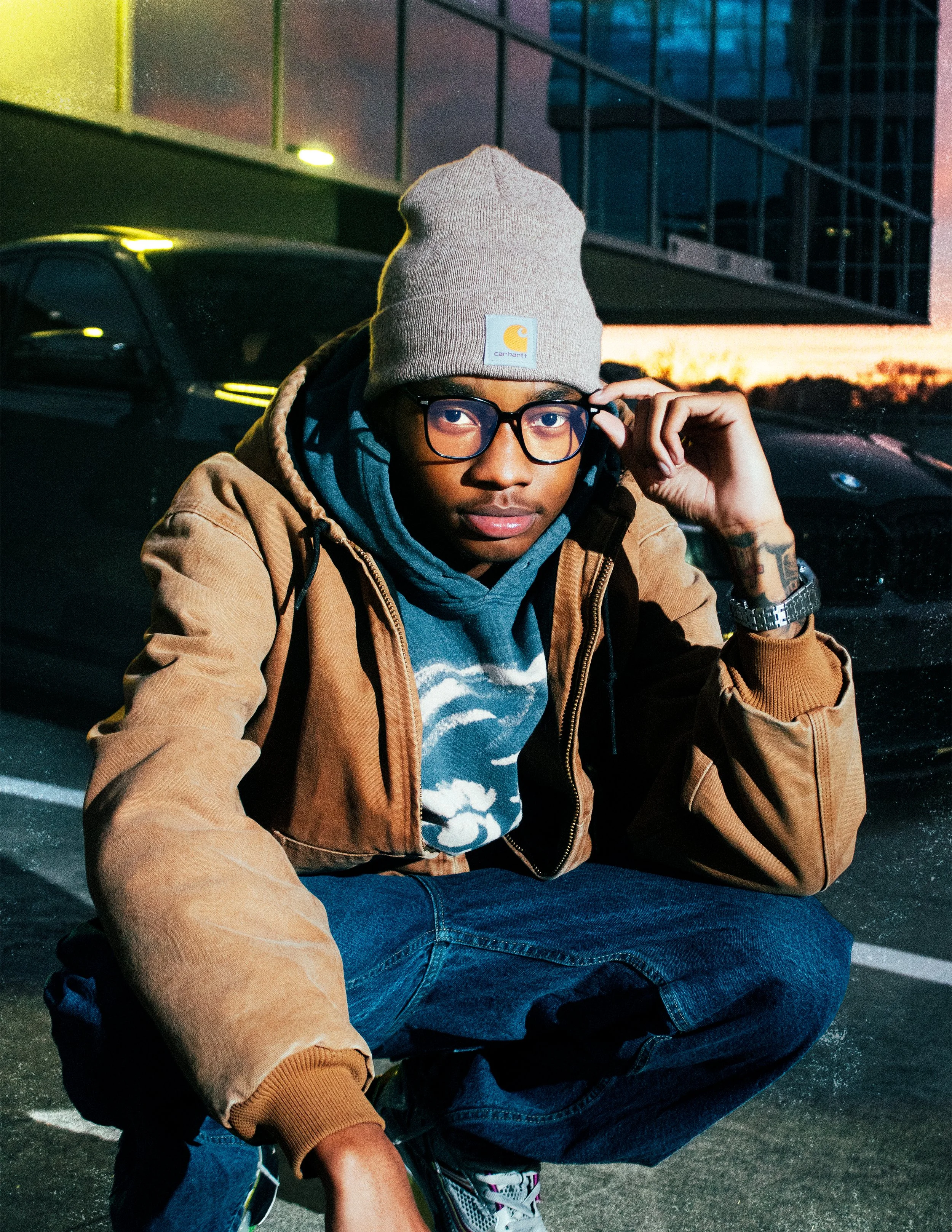
Deuce Up Next does not describe himself as waiting. He does not fully claim building either. When people try to pin his creative process down, he collapses those labels into something more personal.“The waiting phase to one person might be the growing phase to the next person,” he says. For him, those definitions are slippery. What matters is what he is doing inside the moment. Right now, he says, he is in what he calls the knowledgeable phase. He is studying. Observing. Learning how to become “the best version of myself rather than going out and putting out content that’s not the greatest.” That patience is intentional. He’s working towards making content that people actually want to tune in to, not something that fades into the background.
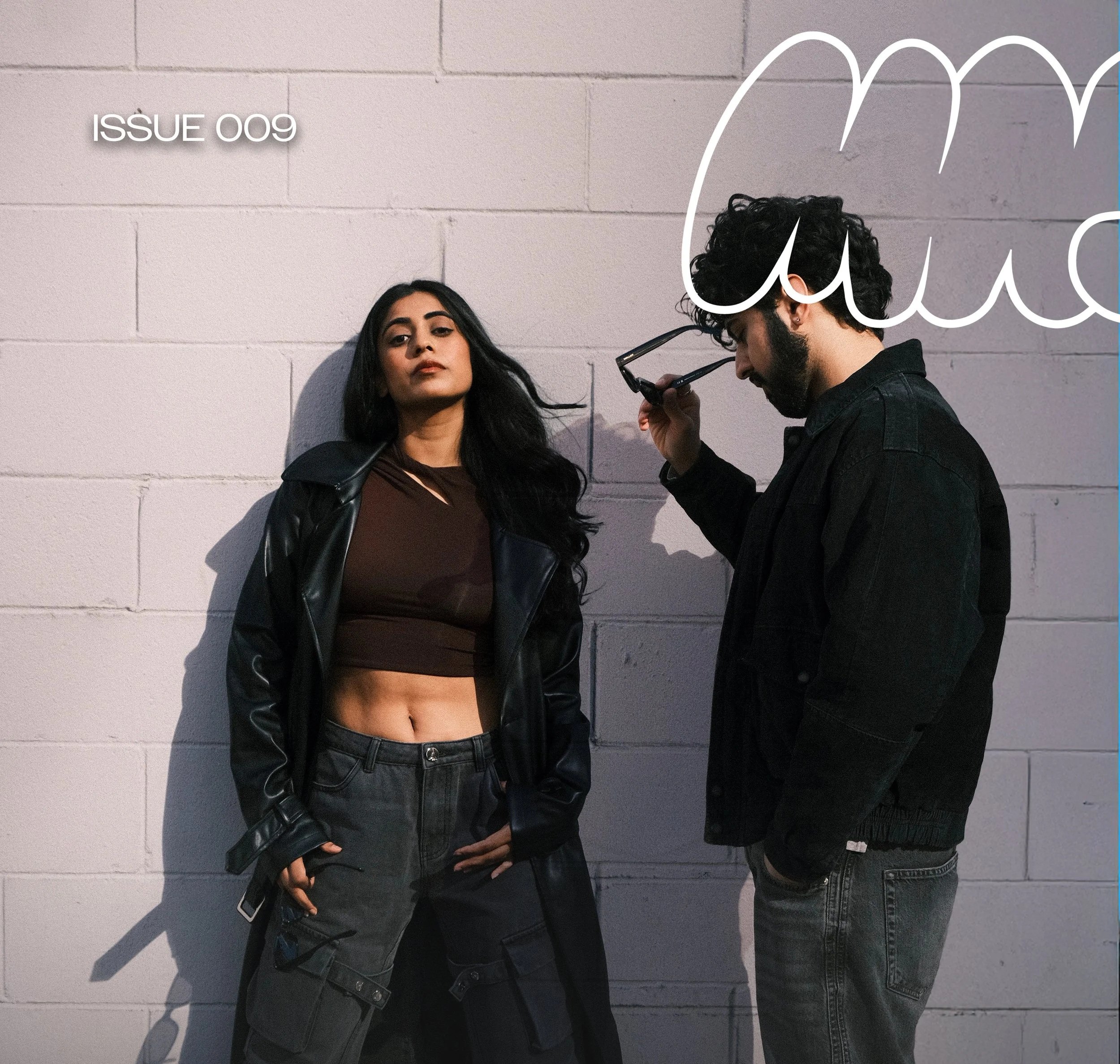
Rishi and Shubhi Are Redefining Collaboration with Concep
They started with paper and tape. New to New York and hungry for creative kin, Rishi and Shubhi printed flyers, mapped a route, and hit coffee shops until their legs ached. They posted an open invitation to meet other creatives and see what could happen. One hundred people RSVP’d. About seventy-five walked through the door. Name tags. A little nervous laughter. Strangers from different corners of the creative world filled the room. And for the first time, Rishi and Shubhi saw what would eventually become Concept come alive.
Concept is the platform they built for that exact electricity. It is a place where creatives can pitch a project, hop on someone else’s idea, and connect with people they actually want to work with. Not a directory. Not a resume stack. A living project board with real portfolios attached and a pathway from message to making. “We wanted connections to turn into real projects,” Shubhi said. “Projects as the medium to bring people together.” It’s a community built around ideas.
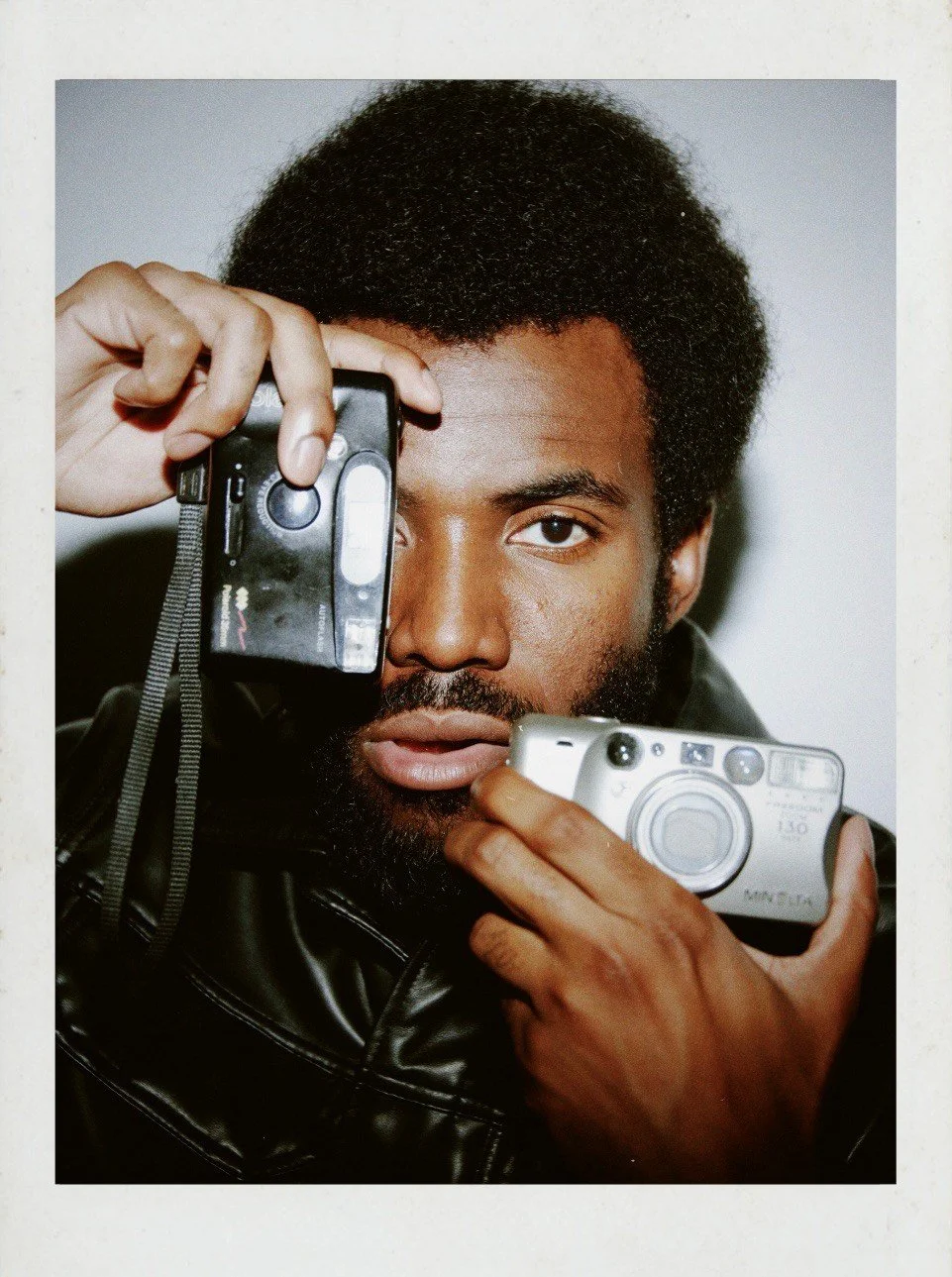
Gary Pierrot Jr. Is Rewriting the Slasher
Gary Pierrot Jr. has a way of talking about horror that makes you want to rewatch your favorites with fresh eyes. He lights up when he mentions Scream 4, chuckles when talking about Final Destination 4’s racetrack scene, and admits he has a limit when it comes to gore. “I have a threshold,” he said. “I can’t do too much of it.” I Spit on Your Grave was the film that bought him to that realization. But his own film, Sunset Boulevard 14, isn’t about cheap scares. It’s about bringing back something that’s been missing. Fun, style, and characters who look like the audience watching.
“I’d be watching slashers today and thinking, where are the Black people? Where are the queer people? Where are the people who look and sound like me?” he said. “I wanted to create something that felt fun and nostalgic, but also allowed us as Black people to see ourselves as people who have those types of conversations about film and pop culture.” For Gary, it wasn’t enough to simply cast diversely. He wanted to build a world where Black and brown characters exist in full color. Whether that is as rich kids, film nerds, or troublemakers who drive nice cars, dress well, and take up space before the killings start.